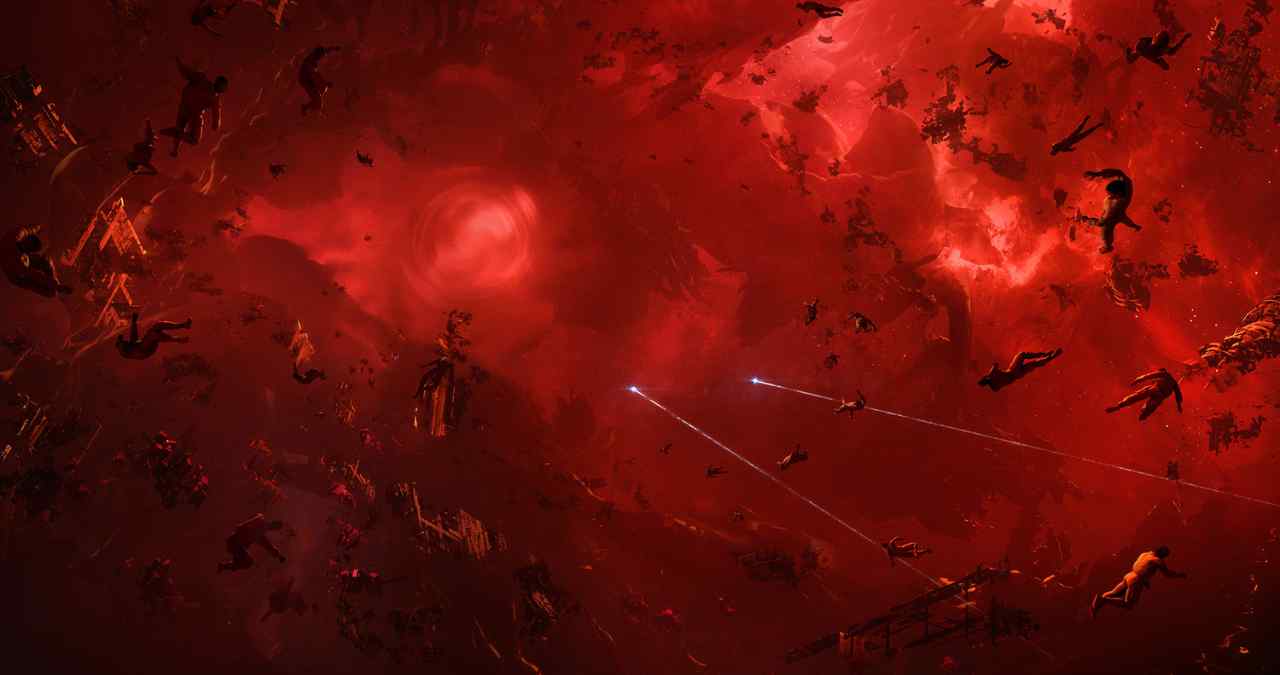
Cycle 2 of EVE: Frontier has officially launched, bringing a new wave of content under the name Ash and Resolve. This latest chapter in the browser-based strategy title expands both the mechanical scope and the metanarrative with events that reward active players and factions in real-time.
Built on the EVE IP but running its own direction, Frontier has been slowly carving out a niche by merging traditional MMORTS elements with a light layer of Web3 integration. Cycle 2 is the most layered update so far.
Missions With Strategic Depth
Cycle 2 introduces a new mission structure that pushes players to coordinate within their chosen factions. Missions now scale in complexity, with some tied directly to ongoing events and others acting as faction-specific story progression.
Instead of being passive or repetitive, the new missions are designed to be resource-dependent, risk-driven tasks. They pull players into a shared ecosystem where supply lines and support roles matter just as much as frontline combat. This pushes the game further into territory familiar to fans of classic strategy sims, with a clear incentive to invest time and build infrastructure across cycles.
The Ash and Resolve theme hints at the aftermath of destruction from Cycle 1, and the missions reflect that. Expect tasks related to recovery, stabilization, and rearming for what comes next.
Supply Chain Gameplay Adds Tactical Layers
One of the more notable updates is the emergence of Supply Chain nodes, which now play a bigger role in faction-wide resource planning. These nodes can be claimed, reinforced, or sabotaged, opening up a different kind of PvP tension that isn’t just about direct combat.
This layer creates a logistical meta-game, where players or small groups can tilt the balance by disrupting the enemy’s resource flow. It adds strategic depth that’s rare in similar Web3 projects, and helps avoid the typical grind loops that can bog down browser-based games. Combined with faction missions and shared event goals, the logistics angle gives players a new reason to collaborate or compete, often indirectly.
Leaderboard Event with Token Rewards
Cycle 2’s launch also marks the return of the Expedition Challenge, a competitive leaderboard event that tracks player activity over several weeks. Top performers can earn a share of 1,000,000 QUIDD tokens, making this one of the more substantial play-to-earn integrations in the game so far.
It’s less about winning every fight and more about steady, smart contributions across a variety of objectives. The reward system ties into overall faction success, so even smaller contributors have a path to benefit through teamwork.
The Web3 aspect here is subtle but present. NFTs represent unit ownership and digital progression, but they’re not intrusive, and the game doesn’t lean heavily into tokenomics beyond seasonal incentives like this.
What’s Next for Frontier?
With Cycle 2 underway, the game is likely setting up for even bigger shifts in Cycle 3. The ongoing cycle system offers a kind of season-based evolution that mirrors live service MMOs, with each new cycle reshaping the map, rules, or story arcs.
The bigger test for EVE: Frontier will be whether it can maintain engagement between cycles without relying too much on token rewards. So far, the blend of strategy, coordination, and light crypto integration is holding attention.As the Web3 gaming space continues to mature, Frontier stands out as a project experimenting with pacing and structure not just flashy announcements or blockchain jargon. Cycle 2 feels like a measured step toward long-term viability.

Web3 Analyst & Play Blockchain Games Guide
CryptoKit breaks down Web3 gaming like it’s second nature. From tokenomics to airdrop strategies, she turns blockchain chaos into clear, actionable advice for players who want to win more than XP.