The Sandbox, one of the most visible names in the Web3 gaming scene, has recently found itself at the center of speculation over layoffs and restructuring. Public reports sparked conversations around the company’s stability and the broader challenges facing metaverse-focused projects.
In response, the team clarified its stance, signaling adjustments but downplaying the scale of the rumored cuts. The moment highlights how closely tied The Sandbox is to larger questions about Web3’s durability, especially as market cycles shift.
Context Around the Reports
The speculation came after mentions of staff reductions and restructuring began circulating. For a project that has been positioned as both a virtual world and a hub for user-generated content, any shake-up naturally raises questions. Web3 companies in particular face heightened scrutiny because of their reliance on investment cycles and token-backed ecosystems.
The Sandbox was quick to counter narratives of instability, framing recent changes as part of normal operational adjustments rather than a major downsizing. Still, the discussion reflects how fragile confidence can be in this sector.
The State of the Platform
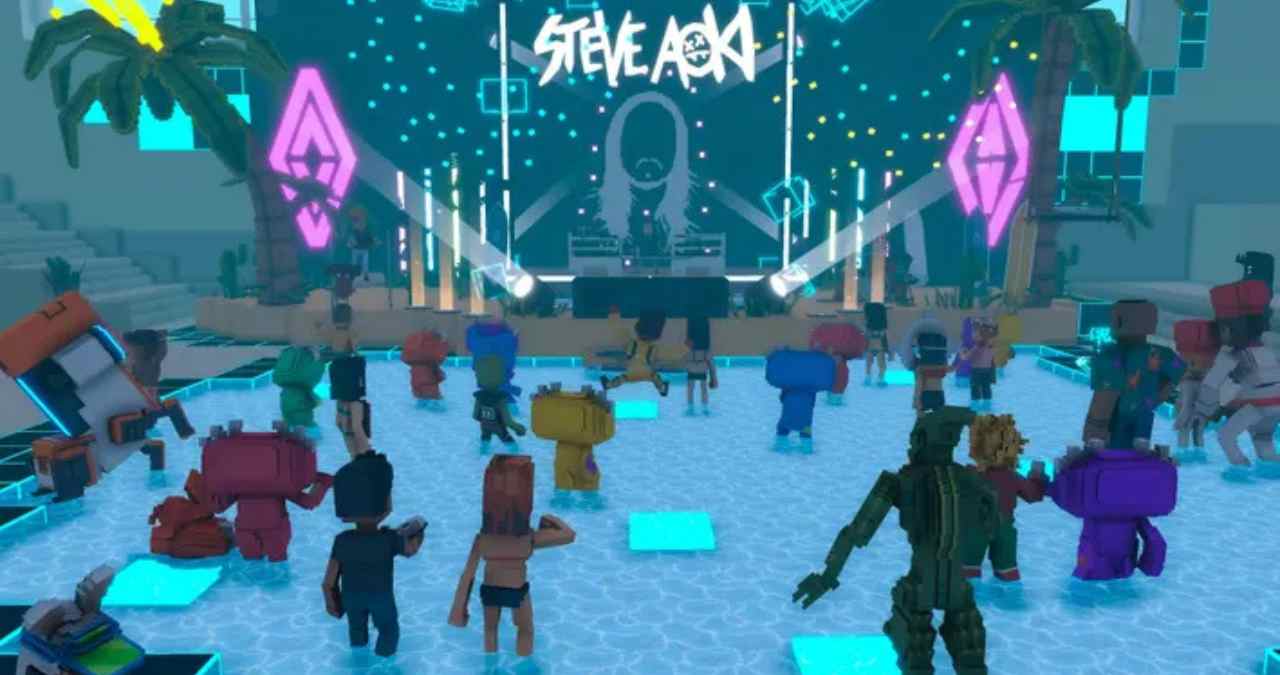
The Sandbox has built its identity around virtual land ownership, creator tools, and branded collaborations. The platform functions less like a traditional game and more like a world-building framework layered with blockchain assets. Players and creators can design experiences, monetize them, and trade land parcels as NFTs.
This model ties the project’s long-term health to community engagement and market interest in digital property. If either dips, the ecosystem feels the pressure. Speculation about restructuring only adds weight to ongoing questions about user retention and monetization beyond hype-driven sales.
Web3 Gaming Challenges
The bigger story here is how Web3 projects navigate sustainability. Many launched during bullish cycles, leaning on token sales and NFT land grabs. As markets cooled, maintaining large teams and ambitious roadmaps became harder. The Sandbox’s recent response illustrates this tension: balancing operational shifts while convincing stakeholders that the vision is still intact.
Compared to more traditional live-service games, Web3 platforms shoulder extra volatility. Their assets are directly tied to speculative value, which makes every organizational change a signal investors and players interpret quickly.
Looking Forward
For The Sandbox, clarifying restructuring rumors may help steady short-term concerns, but the larger challenge remains. The platform has to prove that its core loop—creating, exploring, and trading within its metaverse can keep users engaged beyond initial novelty.
The way these adjustments play out will likely influence not just The Sandbox, but perceptions of Web3 gaming as a whole. As one of the space’s flagship names, its trajectory serves as a kind of barometer for how sustainable the “metaverse” model really is in practice.

Web3 Analyst & Play Blockchain Games Guide
CryptoKit breaks down Web3 gaming like it’s second nature. From tokenomics to airdrop strategies, she turns blockchain chaos into clear, actionable advice for players who want to win more than XP.