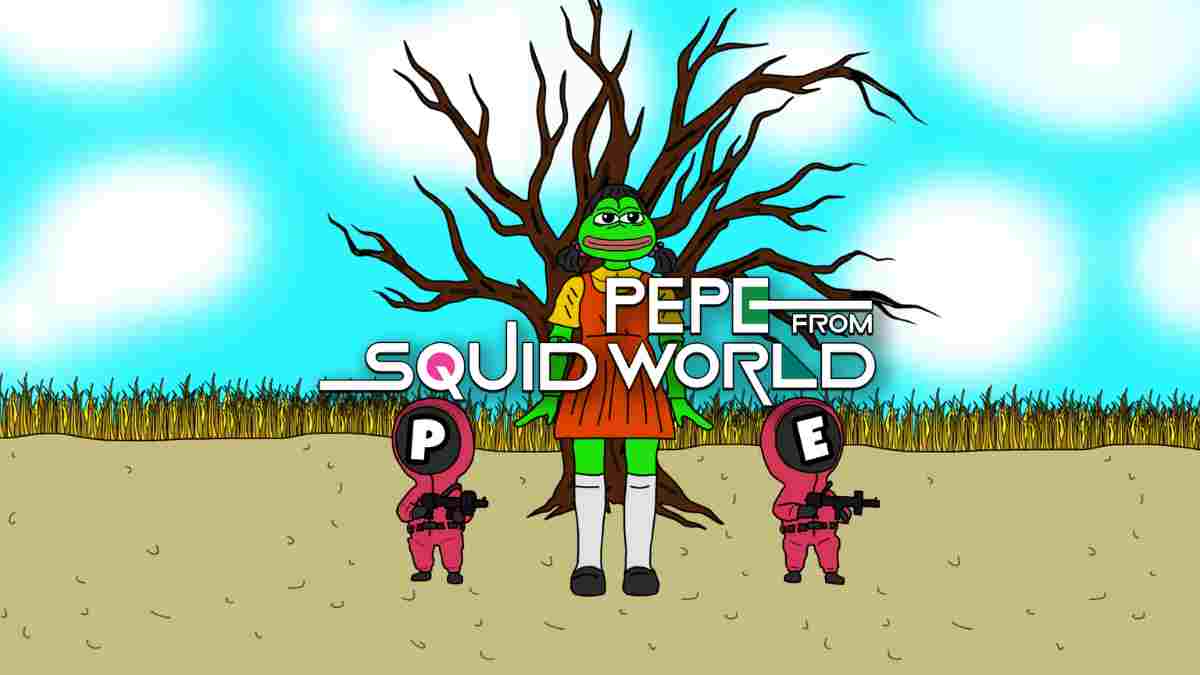
Squid World is adding another twist to its growing play-to-earn ecosystem with the introduction of a new in-game character based on Pepe. The familiar frog meme is stepping into a new role as a blockchain-based asset, now integrated into both gameplay and token staking mechanics. This update is part of Squid World’s ongoing push to blend meme-driven identity with traditional game loops like PVE, PVP, and yield farming. While it’s clearly designed to draw attention, there’s more going on under the surface than just a character skin.
What Is Squid World Actually Offering?
At its core, Pepe Squid World is a Web3 game built on The Open Network (TON). It combines elements of idle progression, base-building, and competitive PVP. The game allows players to earn in-game currency that ties back to token-based rewards, with a system that leans heavily on daily engagement. Adding characters like Pepe isn’t just a cosmetic change. Each NFT avatar in Squid World comes with different stats that affect staking power, income generation, and combat readiness in PVP modes. That gives each drop a functional layer beyond just collectibility.
The game is also structured around squad management, meaning players mix and match different character NFTs for optimal returns or battle efficiency. The more valuable the character, the more influence it has in these systems.
Pepe’s Role in Gameplay and Staking
Pepe is now one of the core characters available for NFT minting in Squid World. Based on the reveal, his in-game stats include a staking multiplier and higher-than-average earning potential for idle mechanics. That suggests this NFT is positioned as more than just fan service. Functionally, Pepe fits into the game’s existing “Work” mechanic, where characters are deployed to earn passively over time. His boost likely makes him a top-tier option in terms of daily token yield, although the precise numbers depend on the game’s economy and balancing updates.
There’s also synergy between in-game activity and token staking. Players can earn $Pepe coins through gameplay or stake them for additional yield. The integration is designed to keep both asset value and gameplay time interlinked, which is standard in many P2E economies right now.
Built on TON, Leaning Into Telegram
What makes Squid World slightly different from most P2E setups is its infrastructure. The game runs on TON, which gives it close integration with Telegram-based tools and bots. A large part of its onboarding and user engagement happens directly through Telegram mini apps.
This makes the whole experience more lightweight compared to full 3D Web3 games. Instead of download-heavy builds, most actions are click-based within bots or browser overlays. For users already embedded in the TON ecosystem, the transition into Squid World’s systems is minimal. At the same time, this setup limits the gameplay depth to more idle and management-style mechanics, rather than action or real-time strategy. That trade-off reflects TON’s current limitations but also keeps gas fees and wait times low.
Meme Layer or Meaningful Utility?
Using a widely recognized meme like Pepe can be a double-edged sword. It brings instant recognition and viral attention, but also raises questions about long-term depth. In Squid World’s case, Pepe isn’t just a mascot — he’s baked into the economy and gameplay loop. The token associated with him, $Pepe, connects directly to the broader staking and farming systems. It’s unclear how sustainable these incentives will be, especially if more characters or meme-themed assets are added down the line. But for now, the economics seem designed to support early adoption.
Whether Pepe turns out to be a novelty or a staple in Squid World’s metagame depends on how the developers evolve the rest of the project. What’s clear is that this isn’t a standalone drop. It’s one piece in a broader strategy to turn meme culture into a playable, stakeable format.

Web3 Analyst & Play Blockchain Games Guide
CryptoKit breaks down Web3 gaming like it’s second nature. From tokenomics to airdrop strategies, she turns blockchain chaos into clear, actionable advice for players who want to win more than XP.