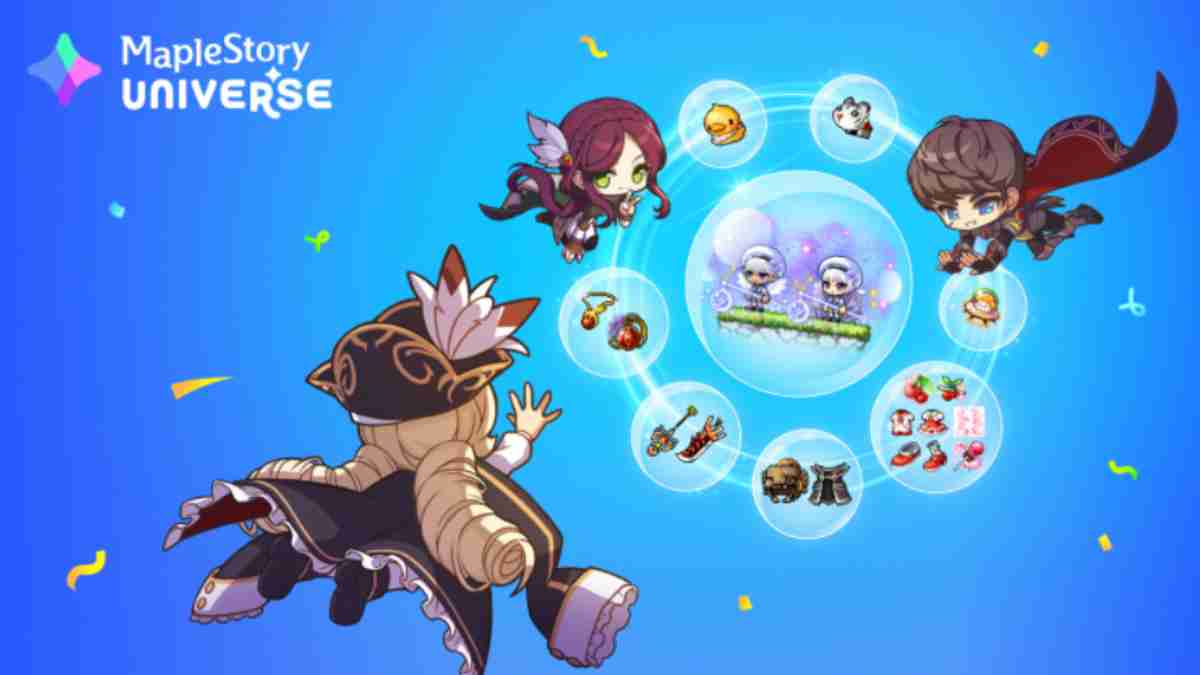
MapleStory is no stranger to reinvention, but this time it’s doing something different. Nexon’s new title, MapleStory N, launches with Web3 functionality baked in, bringing blockchain-based ownership and decentralized content creation into the familiar side-scrolling MMO world.
The game is part of a broader push by traditional publishers into Web3 territory, but unlike many blockchain experiments, this one comes from a long-running IP with a built-in audience. Whether that’s enough to make it work remains to be seen.
Core Gameplay Keeps the MapleStory Formula
From a design standpoint, MapleStory N looks and plays like a streamlined version of the original. It retains the signature 2D art style, basic combat loop, and character progression. The difference is in how the in-game economy is structured.
Rather than drop random loot into a centralized database, MapleStory N puts certain items on-chain. This means players can trade, sell, or collect gear and cosmetics that exist outside the game’s internal inventory system, though gameplay itself remains free-to-play. The goal isn’t to create a play-to-earn grindfest. Instead, it leans into item ownership as a layer of permanence. Players don’t just use gear — they hold it, transfer it, and in some cases, create it.
Blockchain Use Is Focused on Item Ownership and Creation
The game runs on Avalanche, a proof-of-stake blockchain that’s been positioning itself as a home for Web3 games. In MapleStory N, blockchain is used to track and validate high-tier item ownership, character skins, and land-based content.
There’s no tokenomics layer to manage. No cryptocurrency to earn or stake. Instead, it uses a closed-loop economy where items can be minted, traded, or crafted through in-game actions and tools. It’s less financialized than most Web3 games, with more attention paid to user-generated content. That’s a deliberate move. Nexon has said they want to avoid speculative play and focus on long-term player retention. Whether players respond to that — especially in a market still wary of NFTs in games — is uncertain.
Player-Created Content Is a Key Feature
MapleStory N opens up its world-building tools, allowing players to create and sell custom items, skins, and even gameplay content. These are stored as NFTs, giving creators ongoing control over their work and a potential revenue stream from trades or usage.
This creator economy isn’t new to games, but tying it to blockchain changes how content is owned and shared. It’s more decentralized, with fewer limits imposed by the developer, and it leans into the idea of community-driven development. Compared to platforms like Roblox, which also thrives on player creations, MapleStory N offers fewer upfront tools but more lasting ownership. It’s a slower, more curated approach that could appeal to a specific niche of players and builders.
No Tokens, No Payouts, No Cash Economy
One of the more notable aspects of MapleStory N is what it doesn’t include: there’s no in-game currency tied to a real-world token. Players don’t earn crypto or convert points into cash. This avoids the regulatory and economic baggage that’s plagued other Web3 games.
Instead, all value comes from items and content. Ownership is the product, not a pathway to income. It’s a Web3 structure built around permanence and creative freedom, not profit extraction. This could make it easier for traditional players to accept. But it also limits the speculative upside that’s drawn many users to blockchain games in the past. Whether that’s a strength or a liability will depend on how committed Nexon is to the long game.
A Familiar IP Navigating an Unfamiliar Space
MapleStory N isn’t just a Web3 game. It’s a Web3 take on a well-known game, which gives it a different kind of pressure. Fans will expect the tone and style of MapleStory, but they’ll also have questions about what blockchain integration actually adds. For now, the approach feels cautious. No open monetization, no crypto earnings, just ownership systems layered onto a classic MMO loop.
That restraint may help it avoid the backlash other projects have faced, but it could also mean slower adoption in the crowded blockchain gaming space. What happens next depends less on tech and more on whether players find lasting value in a world where they can finally own what they equip.

Web3 Analyst & Play Blockchain Games Guide
CryptoKit breaks down Web3 gaming like it’s second nature. From tokenomics to airdrop strategies, she turns blockchain chaos into clear, actionable advice for players who want to win more than XP.