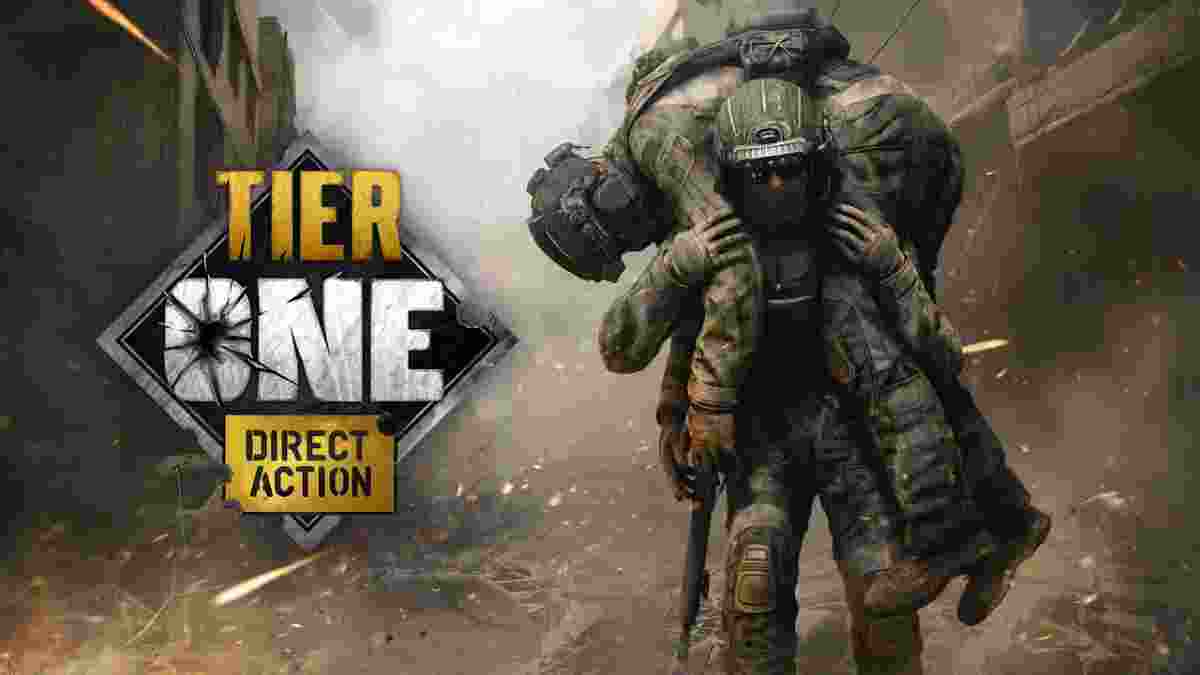
Tier One: Direct Action aimed to bring grounded military realism to VR. Built with an eye toward tactical immersion, the game was meant to stand out in a genre often dominated by run-and-gun pacing. But the project is now facing serious setbacks behind the scenes. The team has hit financial trouble, leading to layoffs and a partial shutdown of development.
Several developers have already left, and while the studio says some work is continuing, it’s unclear how much progress is still being made — or for how long.T
From the beginning, Tier One positioned itself differently from most VR shooters. Rather than flashy mechanics or arcade-style combat, it emphasized squad coordination, realistic ballistics, and slower, deliberate engagements. Think more Ready or Not than Pavlov.
The gameplay was designed around military-style clearing operations, with players coordinating entries, covering angles, and using authentic equipment. It wasn’t the first game to try this in VR, but it was among the few aiming to do it with this level of realism and precision.
Development Hits a Wall
Now that vision is in limbo. The studio has confirmed it’s dealing with a funding shortfall, which has already triggered layoffs. At least two key developers have left, and the remaining team is reportedly operating on a limited basis. Without fresh investment or a shift in direction, the game’s development pace has slowed significantly.
The situation follows a familiar pattern in VR development, where smaller teams chase high-fidelity experiences but struggle to sustain production over time. Tactical shooters, especially ones pushing realism, tend to require more polish and testing than arcade-style alternatives — and that takes time and money.
Roadmap and Platform Status Unclear
Tier One had planned to release initially on PC VR, with longer-term hopes of expanding to platforms like Quest. Whether those plans are still viable is now an open question. The game’s early builds showed promise, but performance and polish were still in progress at the time development slowed.
No new timeline has been shared. The team hasn’t ruled out continuing development, but without funding or a new strategy, the scope of what can be delivered is likely to change.
A Tough Market for High-Fidelity VR
This isn’t the first time a promising VR shooter has hit financial headwinds. Projects like Onward and Zero Caliber have shown that while there’s demand for realistic military VR, delivering on that promise with a small team is a major challenge.
The audience for VR shooters is still growing, but it’s fragmented across platforms and expectations. Games that aim for full tactical simulation often face higher development costs and niche appeal — a risky combo when funding depends on early traction or investor confidence.
For now, Tier One: Direct Action remains in uncertain territory. The core ideas are still compelling, but the project’s future will likely depend on whether it can secure enough backing to finish what it started.

Virtual Reality Explorer & Game Reviewer
Always the first to plug in. VRSCOUT dives head-first into the most immersive VR worlds, analyzing mechanics, comfort, innovation, and that elusive “presence” factor. If he says it’s worth it, it probably is.