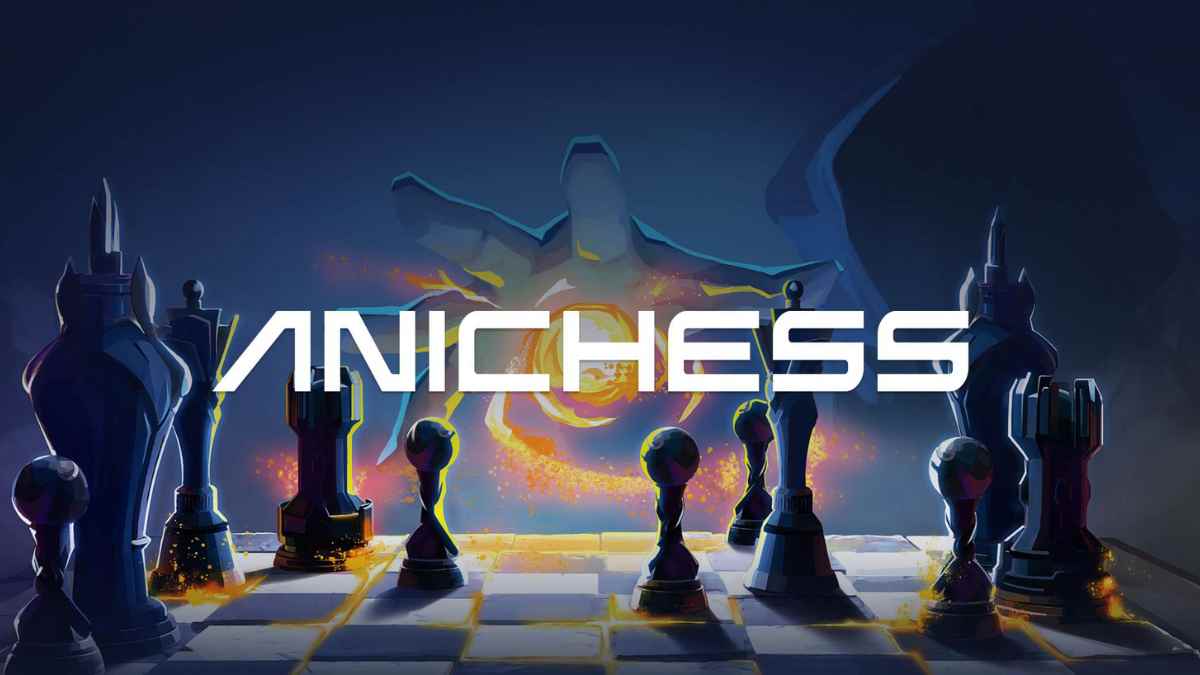
Anichess, the chess-meets-spells Web3 game, has announced that its native token, $CHECK, is slated for token generation (TGE) in the fourth quarter of 2025. For players and observers of Web3 gaming, this marks a key step in the project shifting from experimental features toward full economic rollout.
With $CHECK on the horizon, it’s worth digging into how Anichess has prepared its ecosystem so far, what CHECK is meant to do, and which questions are still unanswered.
What CHECK Token Is Supposed to Do
$CHECK is being positioned as more than just another in-game currency. It’s tied to governance, rewards, and utility throughout the Anichess/Checkmate ecosystem. Owners are expected to gain access to premium game features, governance roles, and participation in future expansions.
Part of the design includes linking CHECK with existing systems like M8, the on-chain points system. M8 has already been earning players rewards for daily and ranked match activity, cosmetic unlocks, and progression. In many respects, CHECK seems intended to be the next layer on M8’s foundation.
Another piece of the picture involves NFTs: early participation has been recognized via “Ethernals,” a limited collection whose holders receive benefits in the CHECK ecosystem, like staking opportunities and likely preferential access when the token launches.
Context: Anichess’s Ecosystem So Far
Since its public alpha, Anichess has layered in several features that suggest care in building toward a full token economy:
- The M8 point system runs on Base, has daily mechanics, and rewards engagement.
- Leaderboards, seasons, and competitive play structure (e.g. playoffs) are operational, with rewards in place.
- The narrative/worldbuilding side (like the Ethernals NFTs and their association with lore) has also been progressed.
These developments imply that the team is trying to balance free-to-play access with Web3 integrations. Not every feature revolves around token ownership; many are accessible without BLOCKCHAIN assets, while others tie into them.
What Is Still Unclear or Risky
Plenty of open questions remain, which are common in projects moving toward token launches:
- Tokenomics details: How many CHECK tokens will exist, how they’re distributed, and what the emission/vesting schedules will look like are not yet fully disclosed. These details matter a lot for fairness and long-term sustainability.
- Governance power: It’s said that CHECK will enable governance, but exactly what that entails—how decisions are made, how much weight token holders have—is still to be clarified.
- Utility vs speculation: The risk in Web3 games is always that tokens become speculative assets rather than tools for gameplay or community. Whether CHECK will carry meaningful in-game utility (versus just reward or trade) will affect how the community perceives it.
- Performance and balance: As more features, modes, and economic levers are added, maintaining balanced gameplay (especially with spell mechanics and competitive modes) will require careful tuning.
What This Means for Players and Community
For those engaged already in Anichess, the CHECK launch offers a roadmap for how existing effort might translate into more enduring rewards. Those who have earned M8, held NFTs like Ethernals, or participated in leaderboards are likely to benefit more.
For new or more casual users, the risk/reward trade-off will depend a lot on how transparent and fair the distribution ends up being. If the token metrics are unbalanced (for example heavily favoring early stakeholders), newcomers may feel disadvantaged.
Finally, this decision signals that Anichess is stepping more fully into Web3 domain — not just in features, but in economic and governance structure. It’s a testing ground for how chess + blockchain + community incentives can combine in a sustainable model.

Web3 Analyst & Play Blockchain Games Guide
CryptoKit breaks down Web3 gaming like it’s second nature. From tokenomics to airdrop strategies, she turns blockchain chaos into clear, actionable advice for players who want to win more than XP.