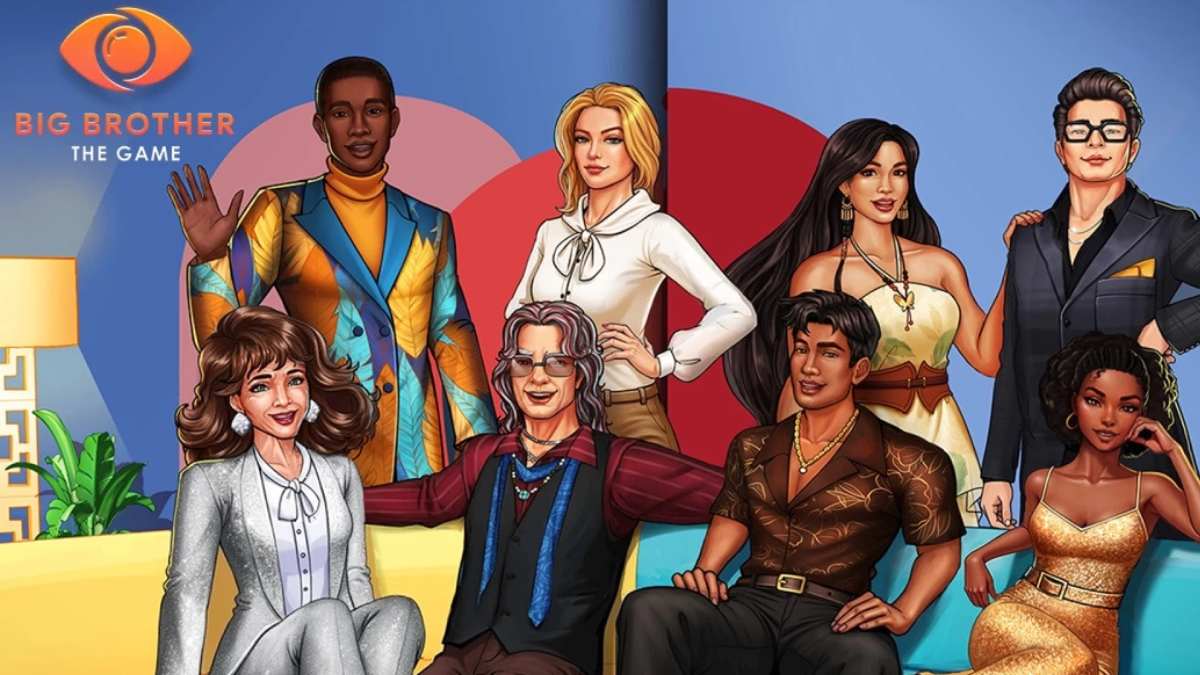
The global release of Big Brother: The Game marks a new spin on the reality show format, shifting from passive viewing to direct interaction. Developed by Fusebox Games, best known for their narrative-driven mobile titles, this project brings the core tension of the franchise — alliances, betrayals, and social survival — to a touchscreen format.
It’s not a quick mini-game setup or a light parody. This is a full-blown game structured around long sessions, evolving strategy, and player-driven outcomes. The aim is to recreate the psychological mechanics of the show in a format that fits into the mobile gaming landscape.
Core Gameplay and Format
Big Brother: The Game blends simulation with social deduction. Players are placed in a virtual house, living out daily routines while navigating conversations, conflicts, and competitions. Success hinges on building alliances and avoiding eviction — just like the show.
It’s structured as a live game, unfolding over real time. Players interact with others, complete tasks, and vote out fellow contestants. Some decisions are player-led, others algorithmic, but all are designed to mimic the pressure-cooker atmosphere of a real Big Brother season.
Platform and Monetization
The game is available on both iOS and Android. It’s free to download, with in-app purchases supporting cosmetics and certain progression perks. Notably, the game offers an option for players to pay an entry fee for the chance to participate in a high-stakes competition mode where the final winner receives a cash prize.
This layered model — casual freeplay on one side, competitive stakes on the other — positions the game somewhere between a live event and an idle social sim. It borrows from mobile tournament formats while retaining a heavy narrative and social focus.
How It Compares to Other Mobile Sims
What separates Big Brother: The Game from other mobile simulation titles is its persistent social structure. Unlike dating sims or life management games that run on branching narratives, this title places players in active competition with each other. It’s more dynamic, but also more unpredictable.
In some ways, it shares DNA with strategy-heavy mobile games where alliances and betrayal are central, like Survivor-style social sims or real-time PvP experiences with diplomacy layers. But the tone here is more grounded in personality management than military tactics.
Audience and Longevity
The original TV audience will likely overlap with mobile casual gamers, but the game also targets a more strategic crowd. It’s designed to reward attention, social reading, and adaptability. That said, the longer format and real-time sessions may limit casual engagement.
Its success will depend on how well the live structure scales and whether the competitive cash-prize model can retain engagement beyond novelty. For now, it’s a curious experiment in merging entertainment formats — taking the rules of reality TV and testing how well they hold up when controlled by the players themselves.

Mobile Game Addict & Casual Gaming Critic
She’s played more mobile games than most people have downloaded. TAPTAPTAP is fast, fierce, and funny — reviewing the latest hypercasual hits, idle clickers, and gacha grinds with real talk and zero fluff.