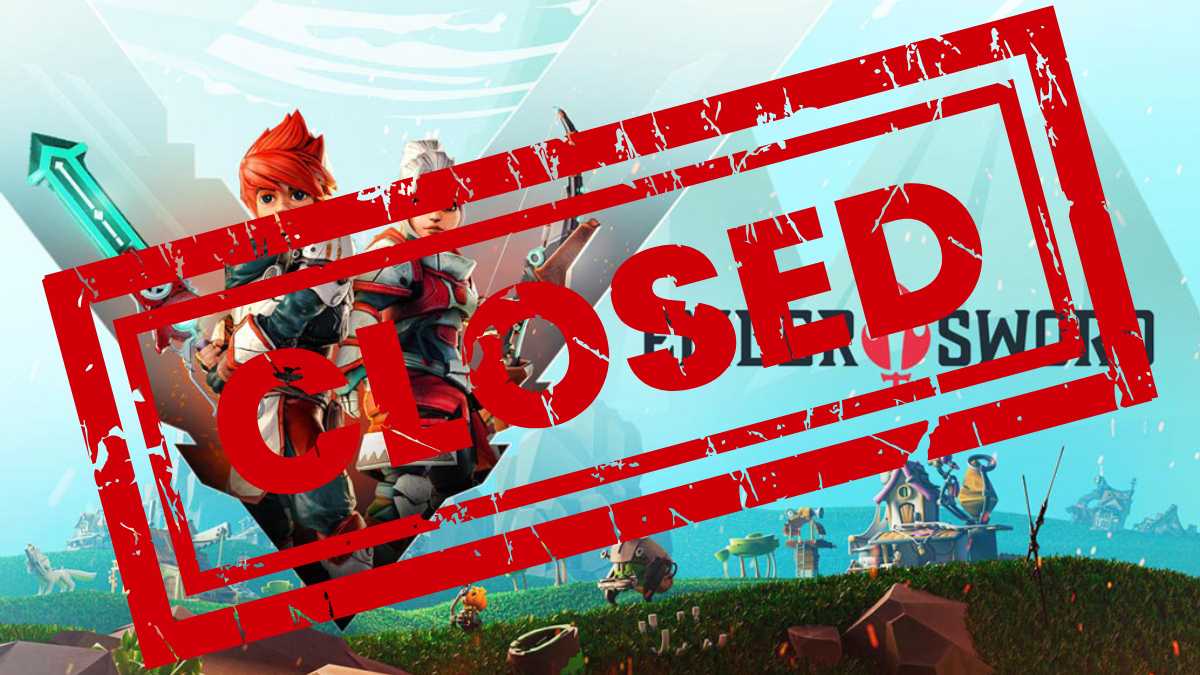
Ember Sword had the makings of a standout MMO. It was aiming for a classless combat system, a player-driven economy, and full blockchain integration. It picked up early attention with big fundraising rounds and a vision that leaned into decentralization and digital ownership.
Now it’s over. After years of development, the team behind Ember Sword announced the game is shutting down, citing a lack of continued funding. For a project that raised millions and secured backing from major Web3 investors, the end feels both abrupt and familiar.
What Ember Sword Was Trying to Build
At its core, Ember Sword was meant to be a sandbox MMORPG with fast-paced, skill-based combat and no traditional classes. The design leaned heavily on letting players define their own playstyle through gear and actions. The open world was supposed to be fluid and social, with regional control playing a role in how players interacted.
What set it apart, at least on paper, was the blockchain layer. Items, skins, and even land parcels were to be tokenized, with players able to trade or own in-game assets in a way that went beyond traditional item shops. The idea was to blur the line between gameplay and virtual property management.
Where It Fell Apart
Despite its strong start, Ember Sword never made it past early pre-release stages. Alpha testing was limited, and the roadmap shifted more than once. Communication from the studio became inconsistent. Meanwhile, the larger Web3 gaming space cooled, and hype gave way to skepticism.
Funding eventually ran dry. The studio cited rising operational costs and the inability to secure additional capital as the main reason for closure. Considering the volatile state of crypto markets and the ongoing scrutiny of blockchain games, this doesn’t come as a huge shock.
A Cautionary Tale for Web3 Gaming
Ember Sword isn’t the first Web3 game to falter, but it stands out because of how public and well-funded it was. It had a community, a playable framework, and a plan — at least at the start. But without a finished product or a playerbase to generate momentum, funding dried up and development stopped.
The shutdown highlights a key tension in the Web3 gaming space: building long-term, engaging gameplay is hard, even with innovative tech and financial backing. Token mechanics alone don’t make a game successful. And investor excitement isn’t the same as community retention.
What Happens to the Assets?
One lingering question is what happens to the NFTs and land purchases made by early supporters. While some Web3 projects offer contingency plans or migration options, no detailed solution has been confirmed. This situation underscores how asset ownership in blockchain games isn’t always as secure or permanent as advertised.
In the end, Ember Sword is a reminder that vision without execution doesn’t go far, especially in a space that’s still figuring itself out. For now, it’s one more ambitious entry in a growing list of blockchain games that didn’t reach the finish line.

Gaming Strategist & Trend Analyst
With a background in game economics and digital culture, METAREPORT connects the dots. He dissects trends, deciphers strategies, and delivers data-backed insights for gamers, creators, and investors alike.