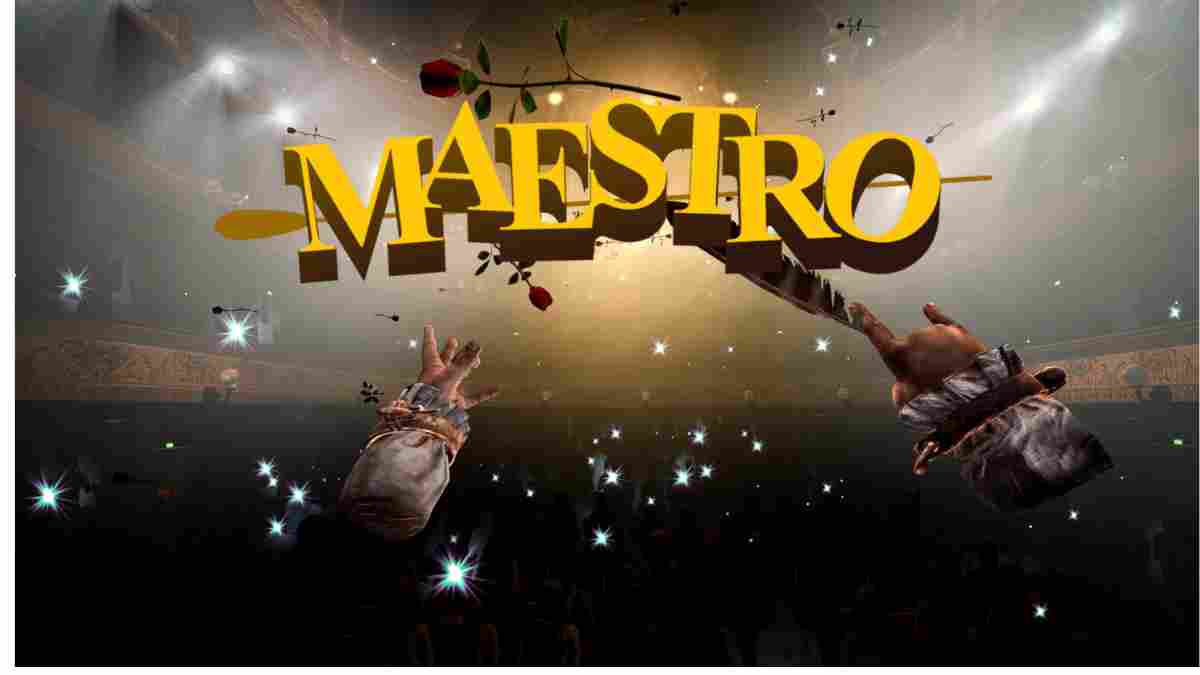
Maestro, a VR rhythm title focused on orchestral conducting, is expanding its reach with an upcoming launch on PSVR 2. Known for transforming players into virtual conductors through precise motion-based input, the game now adds support for full hand tracking, allowing controller-free gameplay for the first time on this platform.
The new version doesn’t just port the experience — it comes bundled with a high-profile DLC pack and visual updates that align with the game’s theatrical style. With a growing library of classical and contemporary tracks, Maestro continues to carve out its own niche in the rhythm game space.
Gesture-based gameplay and orchestral mechanics
Unlike typical rhythm games that rely on fast-paced tapping or slashing, Maestro focuses on timing and motion control tied to real-world conducting. Players guide a virtual orchestra by mimicking the movements of an actual conductor, maintaining tempo, and managing dynamic cues.
The PSVR 2 version builds on this concept with hand tracking, removing the need for physical controllers. This opens up a more immersive feel, letting players express tempo changes and musical gestures with greater nuance and freedom. The change is subtle but meaningful for those familiar with conducting or looking for a more tactile interaction.
New content expands the experience
Alongside the PSVR 2 launch, the game introduces a themed DLC pack centered around well-known film music. The highlight is a dramatic battle score adapted for the conducting format, and it comes with a visual overhaul that includes custom effects and a new baton design inspired by energy weapons.
A free update will also go live at the same time, adding a new performance stage with a dystopian aesthetic and expanding the tracklist with another orchestral piece known for its tension and scale. Both additions continue the trend of mixing musical education with interactive performance.
Platform support and cross-version features
With this update, Maestro is now available across most major VR headsets, and each version includes options for seated or standing play. On PSVR 2, the integration of haptic feedback and headset vibration gives subtle reinforcement to key musical moments, especially when paired with the new visual settings.
The release signals a continued investment in niche but meaningful interaction models in VR, where rhythm games don’t have to follow the same patterns. By focusing on interpretation instead of reaction speed, Maestro offers a slower, more deliberate form of musical interaction that plays to VR’s strengths.

Virtual Reality Explorer & Game Reviewer
Always the first to plug in. VRSCOUT dives head-first into the most immersive VR worlds, analyzing mechanics, comfort, innovation, and that elusive “presence” factor. If he says it’s worth it, it probably is.