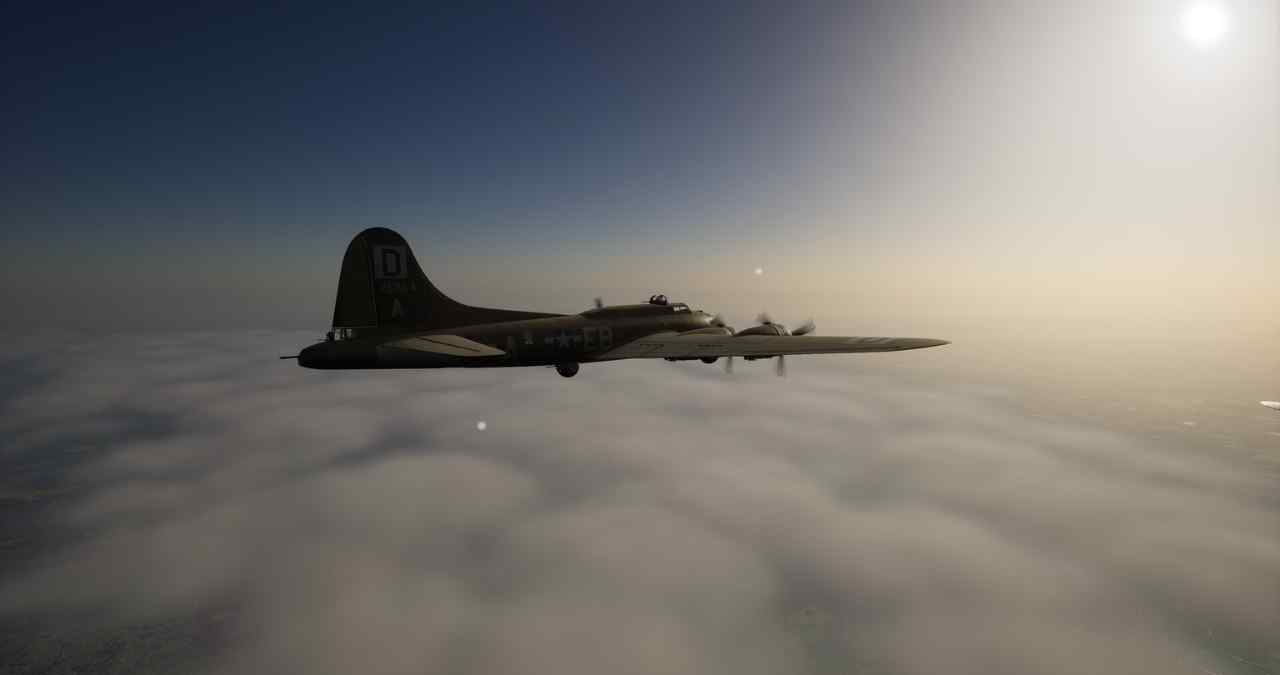
Fans of WWII flight sims have been wondering what happened to Mighty Eighth VR after months of radio silence. The developers have now broken that quiet, reassuring players that the project is still alive and in active development.
The game, which aims to deliver a historically detailed B-17 bomber simulation in virtual reality, has been a highly anticipated title for aviation and history enthusiasts. Its combination of crew management and cockpit immersion sets it apart from most VR flight sims.
Aiming for Full Immersion in the B-17
Mighty Eighth VR promises a deep recreation of the B-17 Flying Fortress experience. Players are expected to take on multiple crew roles, from pilot and co-pilot to gunners and navigators, either solo or in cooperative play. The focus on teamwork and realism suggests a slower, more tactical experience compared to arcade-style air combat games.
This approach could make it one of the more ambitious VR simulations to date, with gameplay designed to capture the tension of WWII bombing missions.
Development Progress and Expectations
The recent update did not include a new release window but confirmed that development continues at a steady pace. The team emphasized its commitment to accuracy and depth, which might explain the extended timeline.
In the world of simulation games, longer development cycles are not unusual, especially for projects that need to fine-tune physics, historical detail, and multiplayer functionality before launch.
Where It Fits in the VR Landscape
While VR flight sims exist, few focus on bomber crews and cooperative gameplay at this level of detail. Mighty Eighth VR appears to be targeting a niche audience of players who appreciate authentic, historically grounded simulations rather than casual air combat experiences.
If it delivers on its promise, it could fill a gap for VR users seeking more complex, teamwork-driven experiences: similar to how submarine simulators and tank crew games have found dedicated communities.

Virtual Reality Explorer & Game Reviewer
Always the first to plug in. VRSCOUT dives head-first into the most immersive VR worlds, analyzing mechanics, comfort, innovation, and that elusive “presence” factor. If he says it’s worth it, it probably is.