Nomstead is positioning itself as more than just another blockchain farming game. Blending social life sim mechanics with stylized visuals and a modular crafting system, the project is now entering its first real-world test with the Genesis Chest mint.
This mint signals a pivot from concept to active buildout, giving players a look at how on-chain assets will integrate with gameplay. It’s also the first big move since the team locked into Immutable’s zkEVM as its blockchain layer, pushing toward interoperability without dragging Web3 to the front of the experience.
Genesis Chests kick off the item economy
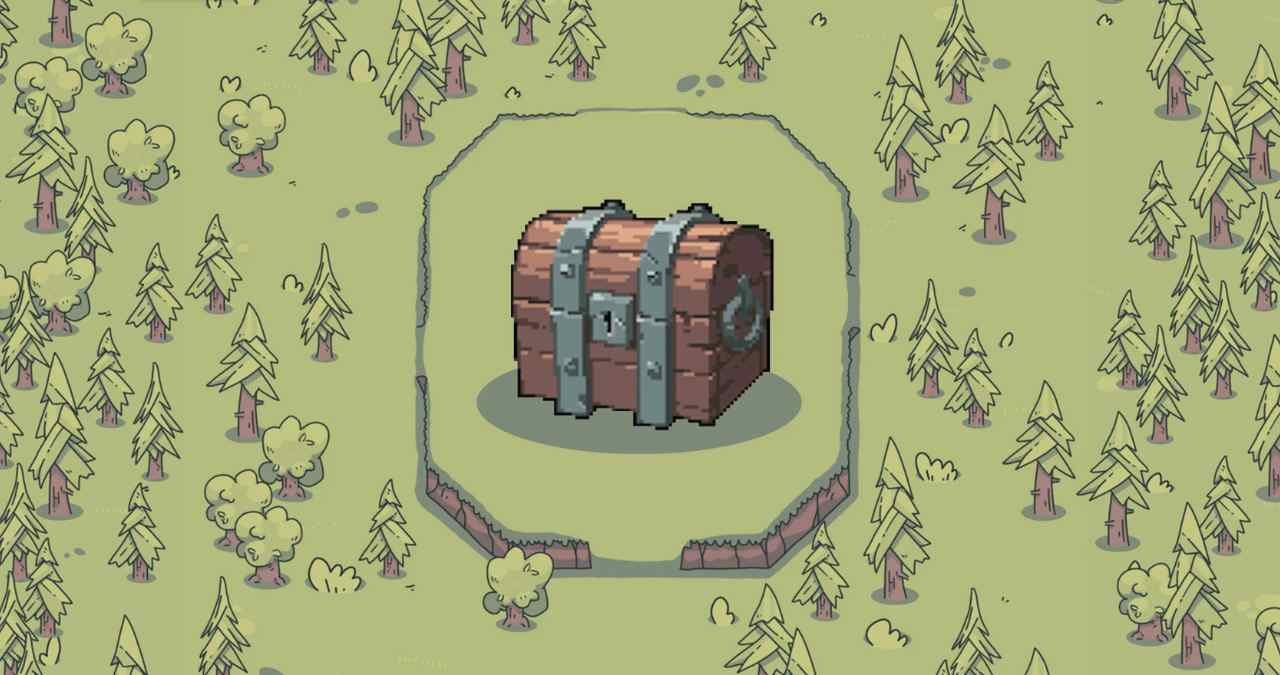
The Genesis Chest drop is limited and positioned as the foundational layer of Nomstead’s item system. Each chest includes a mix of modular crafting parts, character gear, and cosmetic assets. Items unlocked from these chests are designed to have utility during the early access phase, with some potentially carrying longer-term perks once the economy unfolds.
Unlike many loot-based mints, these aren’t randomized mystery boxes. Each chest comes with a fixed selection, structured to maintain rarity without locking players into opaque RNG. That’s in line with the game’s tone—customizable and creative, not predatory.
Gameplay aims to mix farming, crafting, and co-op structure
Nomstead takes a hybrid approach. At its core, it’s a farming sim, with players managing land, planting crops, and raising creatures. But layered on top is a cooperative progression system, where crafting recipes and upgrades rely on community inputs and shared space.
It leans into a modular system for building structures and environments, similar in spirit to games like My Time at Portia or Garden Paws, though with less emphasis on quest lines and more on sandbox collaboration. Multiplayer is baked in from the start, but optional. You can build alone or link up with others for shared progression.
Immutable integration focuses on modular assets and long-term utility
The project is built on Immutable’s zkEVM, which means lower-cost transactions, asset composability, and native wallet support without the friction of typical Web3 onboarding. Items earned from the Genesis mint are tokenized but usable directly in-game without extra hoops.
What’s being hinted here is a future where NFTs act less like collectibles and more like functional parts of the game’s world. Tools, structures, mounts—all potentially tradable or craftable, but without requiring blockchain fluency to interact with them.
Roadmap teases cross-platform release and persistent progression
Nomstead’s full launch is still in early stages, but the roadmap includes support for both PC and mobile platforms. The team is aiming for a shared economy and unified progression, whether you’re on desktop or tapping in from a phone. No hard dates are confirmed, but early access is expected sometime post-mint.
That cross-platform angle makes sense for the genre. Farming sims benefit from daily, low-stakes check-ins, which mobile handles well. The deeper building and community-driven elements will likely show better on PC. Bridging both could help Nomstead stretch beyond the usual Web3 niche.
Nomstead is betting on slower growth and grounded systems
Rather than launching with high-stakes PvP or token speculation, Nomstead is starting small—crafting, community, and consistent updates. The Genesis mint is just one part of a wider plan that includes scalable gameplay systems and cross-platform stability.
If it holds to that approach, the project could find a lane that sits somewhere between casual life sim and player-driven economy, without leaning too hard in either direction. It’s not trying to be a metaverse. Just a place where things grow, gradually.

Web3 Analyst & Play Blockchain Games Guide
CryptoKit breaks down Web3 gaming like it’s second nature. From tokenomics to airdrop strategies, she turns blockchain chaos into clear, actionable advice for players who want to win more than XP.