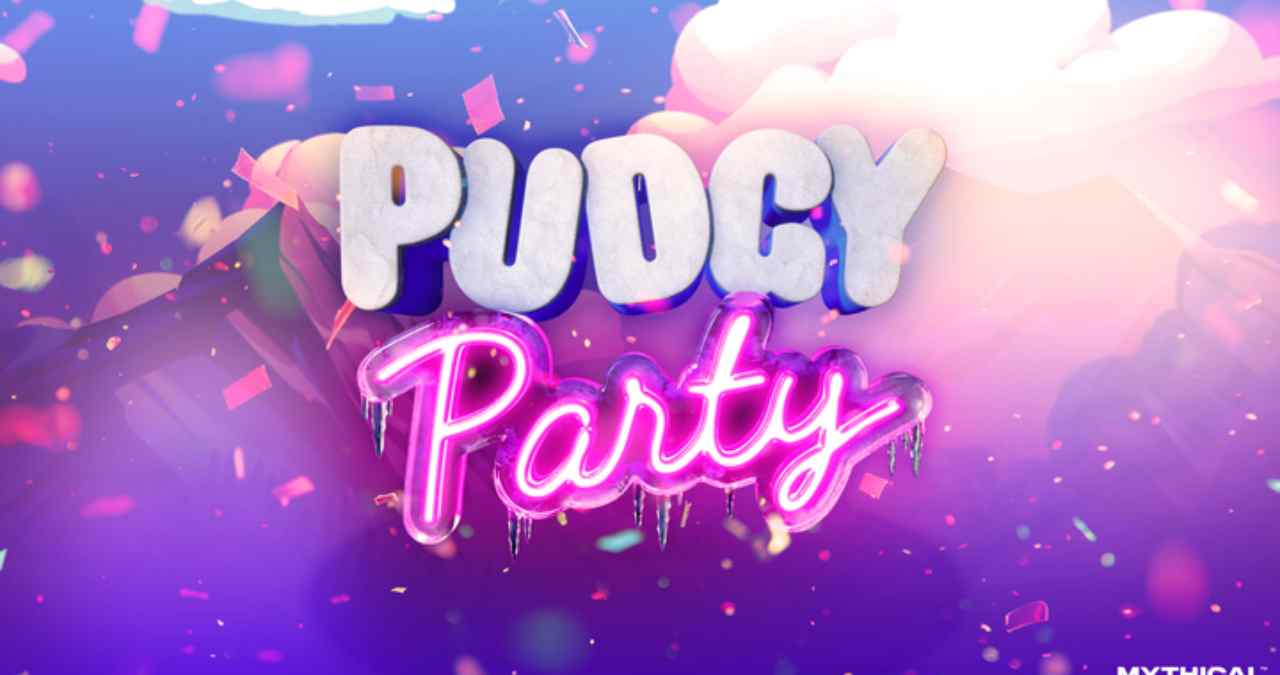
Pudgy Penguins has become one of the more recognizable NFT collections, known primarily for its community and branding efforts rather than direct gaming products. That changes with the release of Pudgy Party, a browser-based title that marks the project’s first move into interactive entertainment.
Instead of aiming for a complex or high-budget release, Pudgy Party goes light and accessible. It leans on familiar casual multiplayer formats while using the Penguins’ recognizable aesthetic to tie everything together.
A Browser-Based Multiplayer Approach
Pudgy Party runs directly in the browser, sidestepping platform barriers and heavy installs. The game uses short, competitive mini-games as its foundation, giving it a structure closer to party-game staples like Fall Guys or Mario Party, though at a much smaller scale.
Each match groups players together to compete in quick challenges. The setup reflects a trend in Web3 projects to experiment with casual, low-commitment formats that can reach a broad audience without requiring major time investment.
Integration With the Pudgy Brand
The game doubles as an extension of the Pudgy Penguins IP. Players use penguin avatars in matches, which ties the gameplay to the broader brand identity that the collection has been cultivating across social media, toys, and partnerships.
For those who already own Pudgy Penguin NFTs, the link is direct, but the game is accessible even without blockchain ownership. This approach positions it more as a brand extension than a closed ecosystem, potentially reaching audiences beyond Web3-native players.
Web3 Layer and Utility
While the game itself is casual, its connection to NFTs remains relevant. Owners can use their digital penguins as playable avatars, giving tangible crossover utility to the collection. This isn’t a new idea in the NFT gaming space, but it demonstrates a gradual move toward finding ways to give tokenized assets functionality beyond static images.
The balance here is notable. By making the game free and browser-based, the developers reduce friction for newcomers, while NFT holders still gain an additional perk. That dual design may reflect a wider trend of Web3 projects loosening barriers to reach beyond speculative communities.
Position in the Market
With Pudgy Party, Pudgy Penguins is less concerned with competing against major gaming titles and more focused on brand longevity. For NFT projects, games like this serve as touchpoints to keep communities engaged while expanding visibility.
Whether it becomes a long-term platform or just a lightweight side project, the move shows how NFT brands are testing casual gaming as a bridge between blockchain assets and everyday entertainment.

Web3 Analyst & Play Blockchain Games Guide
CryptoKit breaks down Web3 gaming like it’s second nature. From tokenomics to airdrop strategies, she turns blockchain chaos into clear, actionable advice for players who want to win more than XP.