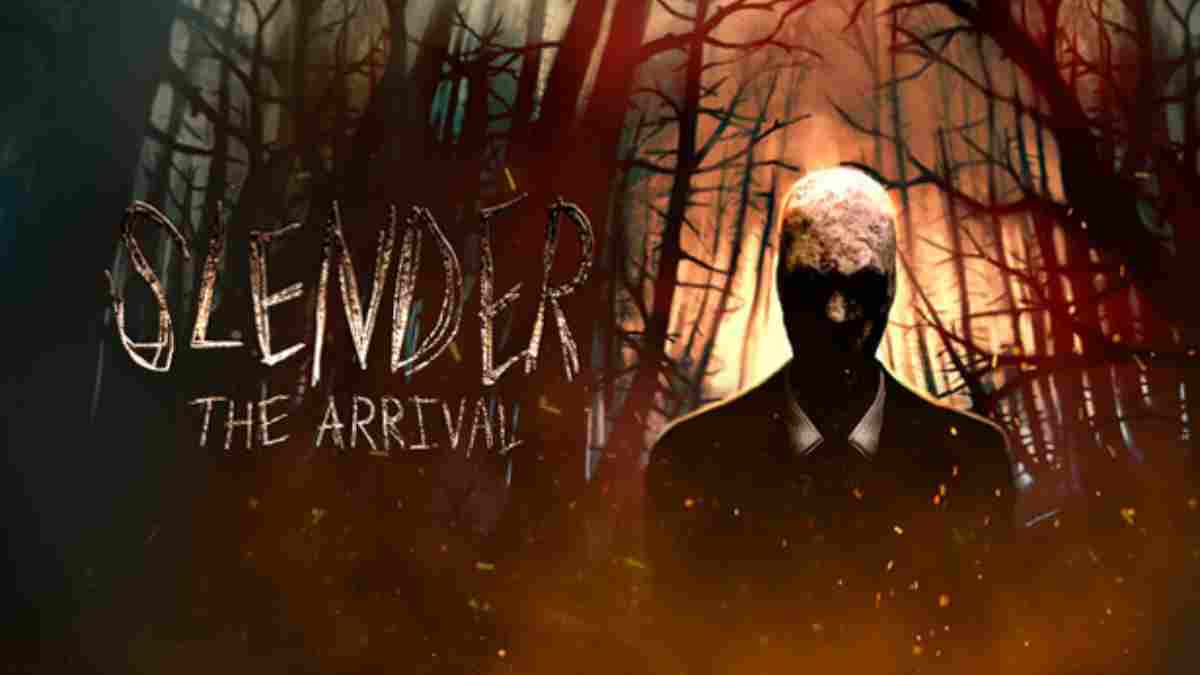
Slender: The Arrival was supposed to bring its brand of minimalist horror to VR this year, giving players a closer-than-ever encounter with the faceless figure that helped shape early internet creepypasta culture. But the wait just got longer. Plans to launch the VR version on Quest, SteamVR, and PSVR 2 have been paused, with the developers citing more work ahead before it’s ready. The announcement landed without a revised timeline, and for now, the project is sitting in limbo.
A VR Transition That’s Taking Longer Than Expected
This isn’t a full remake. The VR version builds on the 10th Anniversary Edition of Slender: The Arrival, which already featured updated visuals and slight reworks to its original campaign. The idea was to convert that remastered base into an immersive format, not redesign it from scratch. Still, bringing an older game into modern VR is rarely simple. Even small scenes can feel disjointed or outdated in VR if they weren’t designed with spatial presence in mind. It seems that challenge is what’s holding things back — getting the experience to actually feel right inside a headset, not just technically run.
There’s no indication the project is canceled, but the delay suggests the team is still ironing out how best to adapt the experience across platforms with very different hardware demands.
Originally scheduled to launch simultaneously across major VR platforms, the delay affects Meta Quest, PSVR 2, and SteamVR. That includes both standalone and PC-tethered headsets.
Cross-platform releases can add complexity, especially when trying to preserve the same atmosphere across devices with different graphical ceilings. What looks and runs well on a PS5-powered headset might need serious adjustment for standalone devices like Quest 2 or Quest 3. The team hasn’t announced which version is furthest along or whether one platform might release earlier than the others. For now, it’s a full hold across the board.
Why the Delay Matters for VR Horror Fans
Slender’s jump to VR isn’t just about reviving nostalgia. It’s also part of a broader trend where horror games, even older ones, are getting new life in immersive formats. The genre tends to work well in VR, where limited visibility and spatial audio can do a lot of the heavy lifting. But it also means expectations are higher. Simply porting a flat game isn’t enough anymore. Players want interactivity, presence, and mechanics that make sense in 360 degrees. If Slender: The Arrival didn’t hit those marks yet, delaying it could be the better long-term move.
It’s unclear what changes might be made during the extra dev time, but the pause implies more than bug fixes. Whether it’s adding VR-specific design tweaks or rethinking how the story is delivered in first-person space, the team is clearly trying to avoid rushing out a half-baked release.

Virtual Reality Explorer & Game Reviewer
Always the first to plug in. VRSCOUT dives head-first into the most immersive VR worlds, analyzing mechanics, comfort, innovation, and that elusive “presence” factor. If he says it’s worth it, it probably is.