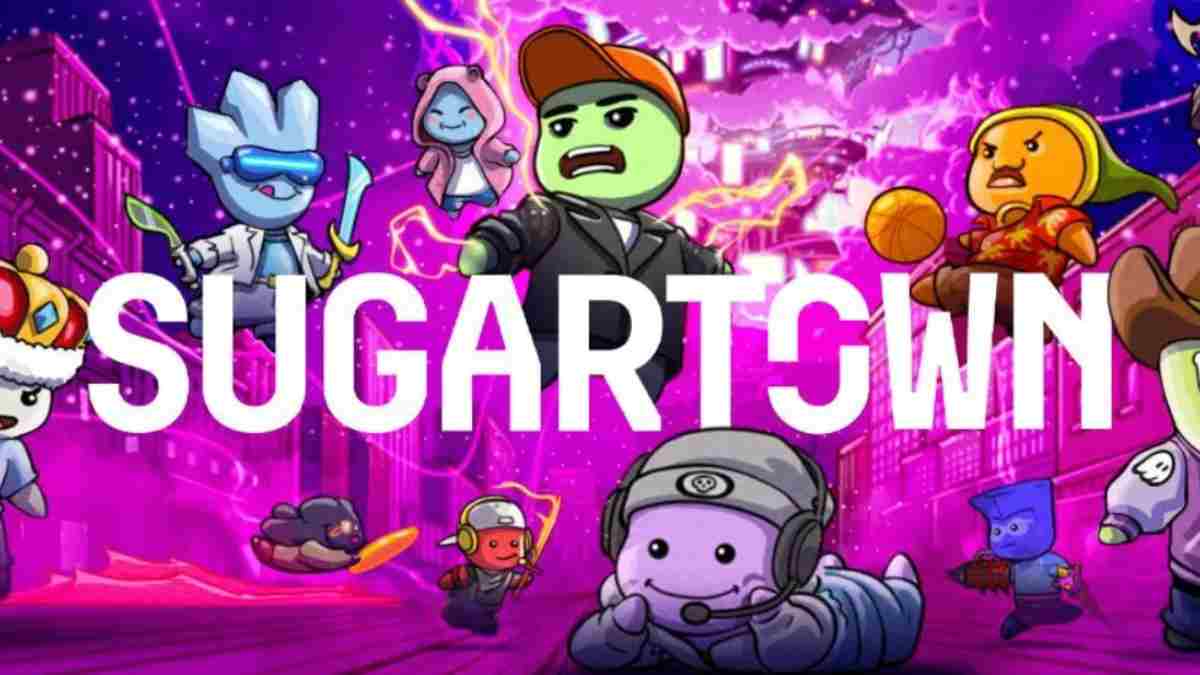
Sugartown, Zynga’s Web3 experiment, is moving forward with a fresh NFT drop, this time focused on a new set of characters called “Cores.” The mint began on May 13 and marks the project’s next step in building out its in-game economy and identity system. The release comes as Sugartown continues to test how traditional game loops can blend with on-chain ownership. With its earlier Oras mint already in circulation, the Cores add a second layer to the game’s digital population.
Cores are positioned as unique, playable characters within the Sugartown universe. Like the Oras, they aren’t just collectibles. They’re meant to plug directly into the project’s gameplay and staking systems, giving holders access to in-game content and future events.
This second mint expands the pool of usable avatars, which helps shape how players interact with Sugartown’s economy. Ownership ties into earning mechanics, although the exact gameplay benefits vary depending on how Cores are used within the platform. The new characters are built around the same aesthetic as the rest of Sugartown — bright, approachable, and cartoonish. Visually, they’re designed to appeal more to casual players than crypto-native audiences, which aligns with Zynga’s broader strategy.
Mint Mechanics and Supply Details
This drop is capped at 3,333 Core NFTs. As of launch, users need to mint through Sugartown’s site using a wallet that supports the Ethereum network. The project is also using the OpenSea SeaDrop protocol to handle the mint process, similar to what it did with Oras. Wallets that interacted with earlier Sugartown contracts were given early access via an allowlist. The general public phase follows after that. Pricing remains fixed, and any unsold NFTs from earlier waves are being rolled into later phases of the mint.
There’s no token gating on the mint itself, but owning earlier Sugartown assets may offer better staking or gameplay perks once the next round of game updates hits.
Sugartown’s Bigger Ecosystem Play
Sugartown is still early in its lifecycle, but Zynga seems to be treating it as more than a one-off NFT drop. The project is structured as an evolving ecosystem, where NFT holders can engage with different mini-games, earn in-game currency (Sugar), and stake assets for rewards.
The team has hinted at a broader roadmap that includes seasonal events and new gameplay formats, all gated or enhanced through asset ownership. That structure could give the NFTs ongoing relevance, but it depends on consistent updates and player retention.
What makes Sugartown interesting is how it’s trying to meet casual gamers halfway. Instead of leaning into DeFi mechanics or complex tokenomics, it’s building something closer to a Web2 game with added digital ownership. Whether that approach sticks long term is still an open question.
Community Direction and Market Position
Sugartown’s audience is a mix. Some are longtime Zynga players curious about Web3, others are collectors looking for utility-driven assets. The community side hasn’t exploded in scale, but engagement has been steady around new updates and NFT drops.
The Core mint is one of the clearest signals so far that the project is looking to scale slowly. It’s not chasing volume or attention in the short term. Instead, it’s trying to build a game world where asset ownership feels integrated, not bolted on.
As the NFT and Web3 game space cools off from its initial hype cycle, projects like Sugartown are interesting to watch. Not because they’re flashy, but because they’re testing how digital ownership can blend into casual gaming without breaking the experience.

Web3 Analyst & Play Blockchain Games Guide
CryptoKit breaks down Web3 gaming like it’s second nature. From tokenomics to airdrop strategies, she turns blockchain chaos into clear, actionable advice for players who want to win more than XP.