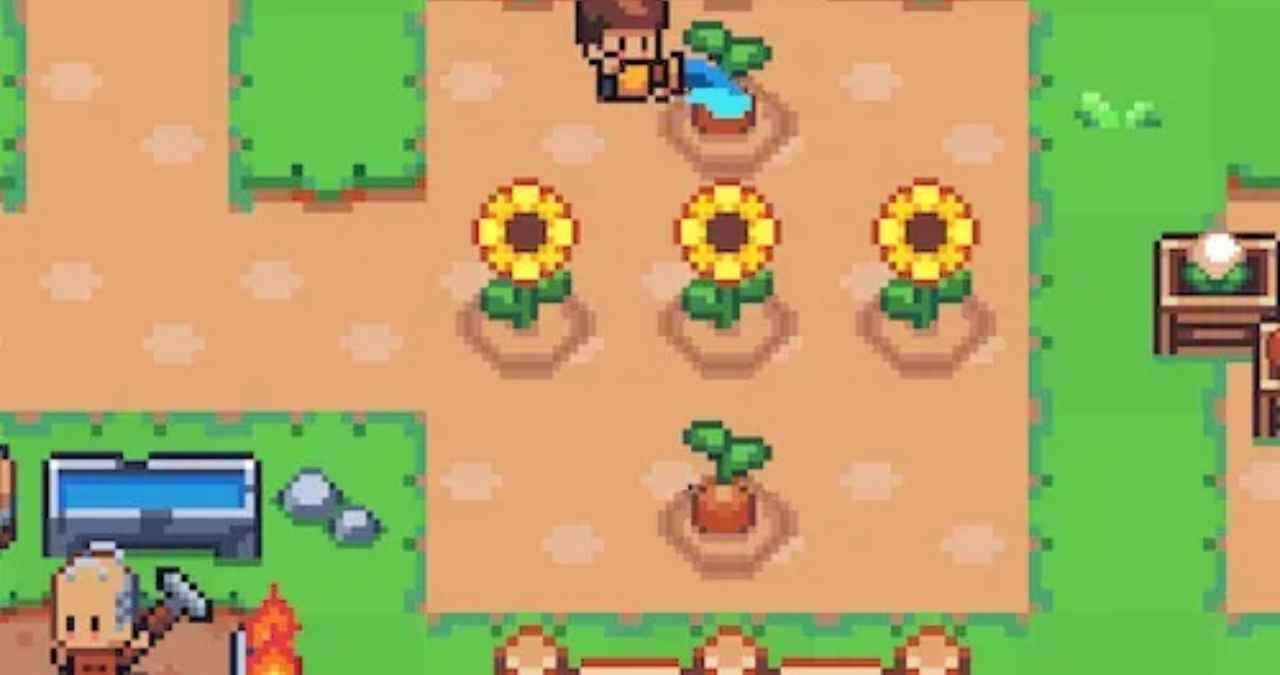
Sunflower Land started as a humble farming simulator and has since grown into one of Web3 gaming’s most recognizable community projects. Now it’s moving into new territory with “Project II,” an expansion that signals a shift from simple farm plots into broader strategy and digital ownership mechanics.
The announcement has sparked plenty of speculation among its active player base. While the details remain carefully framed, the promise is clear: Sunflower Land is ready to grow beyond its original scope.
Moving beyond the farm
At its core, Sunflower Land has always been about farming, crafting, and building up a patch of virtual land piece by piece. Project II, however, hints at ambitions that go far beyond crops and resource loops. The developers are positioning it as a step into more complex systems, giving players new layers of agency.
This means expanding gameplay into structures that could resemble city building or resource management, areas that make sense given how the game has been evolving. For a community that already thrives on collaboration and trading, the shift feels like a natural progression.
The Web3 backbone
What separates Sunflower Land from traditional farming games is its foundation on blockchain. Items and assets are not just in-game objects but part of a player-driven economy. Project II looks to reinforce that foundation by creating new ways for digital ownership to matter.
That could mean new tokens, but more likely it means expanding how existing assets interact with each other in the ecosystem. Rather than inflating the economy with gimmicks, the focus seems to be on building sustainability into the game’s core loop. For Web3 gaming, where many projects struggle with long-term balance, this approach is notable.
Community at the center
Sunflower Land’s growth has always leaned heavily on its community, from governance decisions to the creation of player-made tools. Project II will likely deepen that relationship, as the game shifts from a contained farming sim to a broader digital world.
The developers have emphasized that the community will remain integral, suggesting that the transition will not be dictated top-down but shaped in collaboration with players. In Web3 gaming, where community trust often makes or breaks a project, that commitment could be as important as any new gameplay feature.

Web3 Analyst & Play Blockchain Games Guide
CryptoKit breaks down Web3 gaming like it’s second nature. From tokenomics to airdrop strategies, she turns blockchain chaos into clear, actionable advice for players who want to win more than XP.