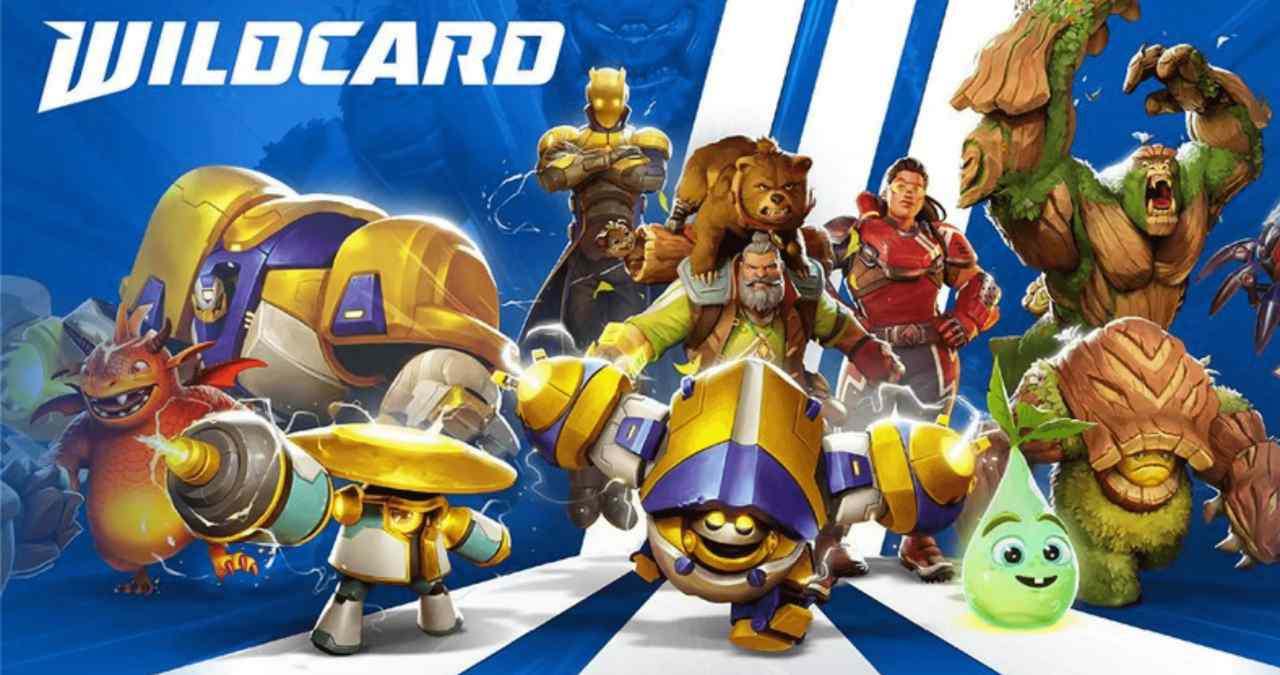
Wildcard, the Web3-powered arena battler blending MOBA action and card-based strategy, is adding a new layer to its economy. The studio has announced a revenue-sharing system that distributes a portion of the game’s earnings back to its community. The move is aimed at rewarding long-term engagement and encouraging a stronger creator ecosystem.
The announcement comes as Wildcard continues to carve out a unique space in Web3 gaming, positioning itself between traditional competitive games and blockchain-enabled economies. While some Web3 projects rely heavily on token speculation, Wildcard’s team appears focused on building a player-first loop where competitive play and content creation have tangible rewards.
How Revenue Sharing Works
Under the new model, eligible players and creators will receive a percentage of revenue generated from certain in-game activities. This is not a simple token airdrop. Instead, it ties earnings to ongoing engagement, incentivizing players to keep interacting with the game’s competitive ladder and ecosystem.
This system mirrors similar approaches seen in games like Illuvium and Guild of Guardians, which link rewards to participation rather than one-time payouts. The difference is Wildcard’s hybrid nature, which blends live PVP matches with collectible deckbuilding — potentially offering more touchpoints for community-driven value.
Strengthening the Web3 Community
By implementing revenue sharing, Wildcard is betting on deeper player investment. The system creates opportunities not just for hardcore competitors but also for streamers, tournament organizers, and other community contributors. It turns the game into a shared economy where value flows back to those helping it grow.
It’s also a move that could separate Wildcard from other Web3 titles that rely solely on NFT sales. By tying rewards to activity, the developers avoid some of the pitfalls of early play-to-earn models, which often saw players exit after claiming quick profits.
Future Implications
The success of this revenue-sharing experiment could set a precedent for similar projects. If Wildcard can maintain a healthy in-game economy while giving back to players, it may become an example of how Web3 games can balance sustainability with community ownership.
As Web3 gaming continues to mature, features like this could become standard, encouraging a shift away from speculation and toward active participation. For now, all eyes will be on how Wildcard’s community responds once the system is fully live.

Web3 Analyst & Play Blockchain Games Guide
CryptoKit breaks down Web3 gaming like it’s second nature. From tokenomics to airdrop strategies, she turns blockchain chaos into clear, actionable advice for players who want to win more than XP.