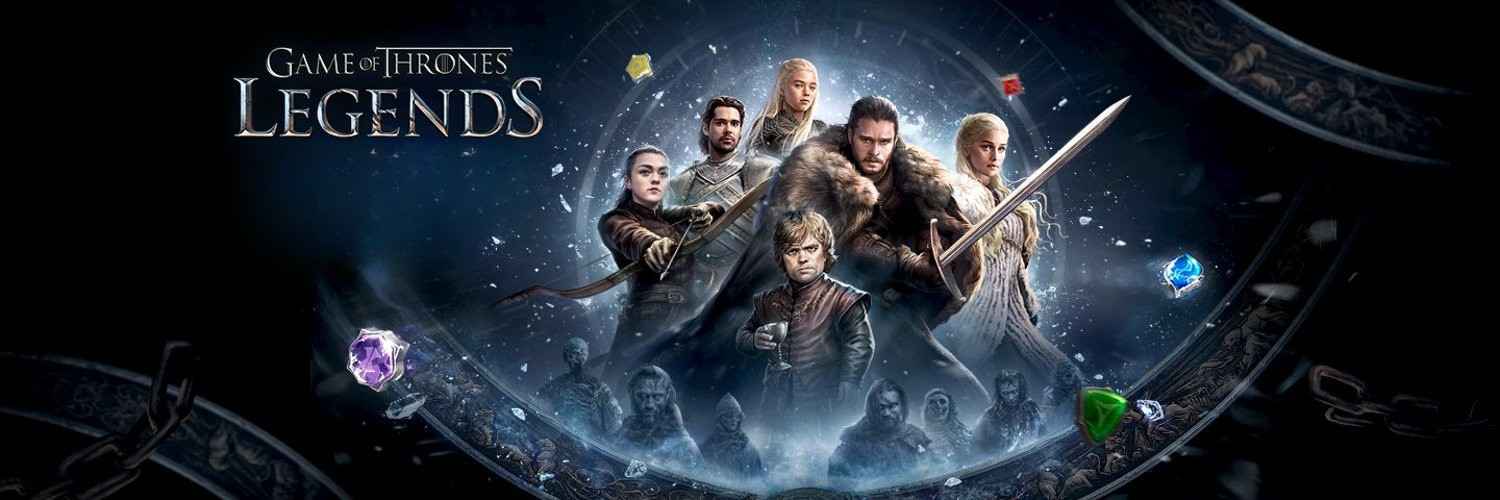
When Zynga launched Game of Thrones: Legends in 2024, the mission was straightforward: tap into the strength of the franchise while surviving in one of the most competitive corners of mobile gaming. Twelve months later, the game has brought in 24 million dollars in revenue, marking it as a stable, if not dominant, entry in the RPG space.
The number isn’t headline-shattering compared to genre leaders, but for a licensed title in its first year it proves that a strong IP combined with disciplined live operations can sustain momentum beyond launch week hype.
Core gameplay built on collection
Game of Thrones Legends doesn’t try to reinvent the wheel. It’s a collectible RPG where players build teams from a growing roster of Game of Thrones characters, upgrade them, and take on a mix of story-driven battles, PvP arenas, and time-limited events.
The hook lies in the roster itself. Seeing fan-favorite characters paired or pitted against each other creates enough tension to keep players invested. The tactical layer comes from team composition and ability synergy rather than flashy mechanics.
Presentation and style
Rather than chasing realism, the game opts for a stylized art direction. Characters are instantly recognizable but not tied to the likenesses of TV actors, which gives Zynga room to expand the roster without awkward comparisons.
Battles are cleanly presented, prioritizing clarity and readability over cinematic spectacle. That makes it accessible on mobile screens, though it sacrifices some of the epic feel one might expect from the Thrones universe.
The economy runs on familiar gacha mechanics: recruiting new characters, upgrading them, and cycling through event-based rewards. What stands out is not explosive growth but consistency. The 24 million earned in year one suggests a reliable core audience that spends steadily across updates.
It’s a pattern typical of mid-tier RPGs that don’t dominate charts but generate predictable returns through dedicated spenders and a well-managed content pipeline.
Looking ahead, the outlook for Legends is tied to how well Zynga maintains its update rhythm. More characters, themed events, and seasonal campaigns will be critical to keeping engagement high. The first year shows that while Legends may not redefine the RPG category, it has secured a space of its own. For Zynga, it’s proof that a globally recognized IP combined with a tried-and-tested model can still deliver dependable returns in today’s mobile landscape.

Mobile Game Addict & Casual Gaming Critic
She’s played more mobile games than most people have downloaded. TAPTAPTAP is fast, fierce, and funny — reviewing the latest hypercasual hits, idle clickers, and gacha grinds with real talk and zero fluff.